
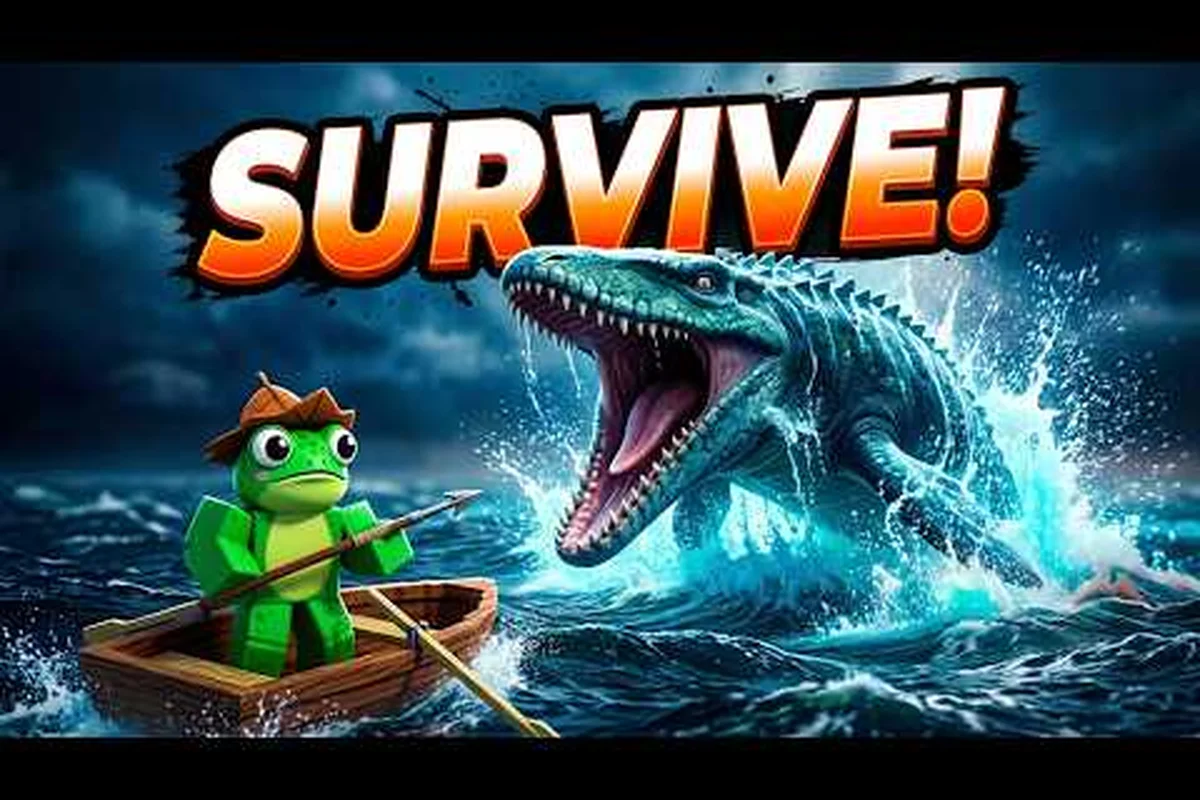
Prehistoric Farm turns dinosaur dreams into a gentle, family-friendly Roblox adventure where kids dig up fossils, hatch eggs, and raise baby dinos into towering Elders. This prehistoric farm for kids guide explains the safest first steps, from reading the dig meter to keeping a hatchling's belly full, so young players can explore wild islands without frustration. Parents will also find a clear answer to whether the game is worth playing together.
Understanding the Prehistoric Farm Game Overview for Young Players
Before handing the shovel to a child, it helps to know exactly what kind of experience Prehistoric Farm delivers. The game launched on October 2, 2026 as the breakout dinosaur-farming title from Project Mirvy, a Roblox developer group with roughly 108,000 members as of October 2026. According to the official Prehistoric Farm game page, the core loop is simple: dig up fossils on wild islands, turn full fossil sets into eggs at Dr. Ivy's DNA Lab, hatch them in an incubator, and raise dinos from tiny Newborns into huge Elders.
The prehistoric farm game overview is intentionally approachable, which is why it works so well for younger audiences. There are no combat mechanics, no fail states, and no time limits that punish slow play. A child can wander an island, dig at their own pace, and still make meaningful progress because every fossil contributes toward a future egg. The game rewards patience rather than reflexes, making it a low-pressure introduction to farming and collection genres.
| Core Activity | What Kids Do | Why It Is Kid-Friendly |
|---|---|---|
| Fossil Digging | Tap or click to dig, release in the green zone | No fail state, just smaller rewards |
| DNA Lab Visits | Trade full fossil sets for eggs | Simple exchange, no currency math |
| Incubator Hatching | Wait for eggs to hatch | Teaches delayed gratification |
| Dino Raising | Feed and watch growth stages | Nurturing loop, no combat |
| Boat Exploration | Sail to new islands | Safe travel, no hazards |
The game also includes a rideable partner dino system once a creature reaches full growth, which gives kids a fun mobility reward for their care routine. Because the entire loop revolves around collection and nurturing, parents can feel comfortable letting children explore independently after a short orientation session.
Safe First Digs: How the Dig Meter Protects Young Players
The most important mechanic for a child to understand is the dig meter, and fortunately it is designed to be forgiving. When a young player digs at a fossil site, a meter appears with a moving indicator. Releasing the dig button while the indicator sits in the green zone produces a better reward, while releasing outside the zone still yields something usable. This means kids never walk away empty-handed, which prevents the frustration spiral common in timing-based minigames.
Reading the Green Zone Without Stress
The green zone is wide enough that even young children with developing motor skills can hit it consistently after a few tries. The key teaching point is to watch the meter, not the shovel animation, because the visual feedback on the meter is clearer than the character movement. Parents can coach kids by saying "wait for the green, then let go" rather than explaining percentages or timing windows.
| Dig Outcome | What Happens | Kid-Friendly Rating |
|---|---|---|
| Green Zone Hit | Bonus fossil fragments | Excellent, rewarding |
| Near Miss | Standard fossil fragment | Good, still progress |
| Early Release | Small fragment | Acceptable, no loss |
| No Release | Nothing happens | Neutral, try again |
Because the game never removes progress for a missed timing window, children can practice the dig meter as many times as they need. This design choice is a major reason why the prehistoric farm for kids guide recommends letting young players handle digging independently after one demonstration.
First Island Fossil Spots
The starting island contains several clearly marked dig sites that respawn quickly, so siblings sharing a device will not fight over limited resources. Each dig site glows faintly to signal interactivity, which helps pre-readers identify where to tap. The shovel progression is straightforward: better shovels unlock as kids collect more fossils, and each upgrade widens the green zone slightly, making future digs even easier.
Hatching Eggs and Raising Dinos: A Nurturing Loop Kids Love
Once a child has collected a full fossil set, the next step is visiting Dr. Ivy's DNA Lab to exchange those fossils for an egg. This exchange is automatic and visual, showing the fossil pieces assembling into a glowing egg, which creates a satisfying payoff moment. The egg then goes into an incubator where a short waiting period builds anticipation before the hatch.
Feeding and the Half-Full Belly Rule
The single most important rule for young players to remember is the half-full belly rule. A dino keeps growing as long as its belly stays over half full, which means kids need to check their hatchling's hunger meter regularly. The game makes this easy by showing a clear belly icon above each dino, and feeding is a simple click or tap action with no resource scarcity in the early game.
| Growth Stage | What Kids Notice | Care Requirement |
|---|---|---|
| Newborn | Tiny, wobbly, cute | Feed frequently |
| Juvenile | Bigger, more active | Keep belly above half |
| Adult | Rideable, strong | Moderate feeding |
| Elder | Huge, impressive | Low maintenance |
The growth system teaches responsibility without punishment. If a child forgets to feed their dino, growth pauses but never reverses, so there is no heartbreaking loss. This gentle approach to pet care is one of the strongest arguments for why Prehistoric Farm is worth playing for families with younger children.
Riding Partner Dinos
When a dino reaches full growth, kids can ride it across the islands, which transforms exploration from a walking chore into an exciting adventure. The ride mechanic is simple to control and does not require combat or racing skills. Riding also makes it faster to reach distant dig sites, which keeps the gameplay loop moving at a pace that holds a child's attention.
Is Prehistoric Farm Worth Playing for Families?
Parents evaluating whether prehistoric farm is it worth playing should consider what the game offers beyond entertainment. The collection loop builds pattern recognition, the feeding schedule teaches basic responsibility, and the fossil-to-egg progression introduces cause-and-effect thinking. None of these lessons are forced; they emerge naturally from play.
What Makes It Stand Out for Kids
Compared to many Roblox games that emphasize competition or combat, Prehistoric Farm stands out for its calm, constructive tone. There are no leaderboards pressuring kids to perform, no player-versus-player encounters, and no microtransaction pressure in the core loop. The game is free to play, and while optional purchases exist, the entire dinosaur-raising experience is accessible without spending money.
| Family Consideration | Prehistoric Farm Approach | Parent Takeaway |
|---|---|---|
| Violence | None, pure nurturing | Safe for all ages |
| Time Pressure | No timers or deadlines | Low stress |
| Social Interaction | Optional, cooperative | No toxic chat pressure |
| Monetization | Core loop free | Low financial risk |
| Learning Value | Responsibility, patience | Genuine soft skills |
Community reports from players consistently describe the game as relaxing and family-oriented, which aligns with the developer's design intent. The Project Mirvy group has built a reputation for approachable experiences, and Prehistoric Farm continues that pattern with its October 2026 launch.
Playing Together as a Family
The prehistoric farm play guide approach works best when parents join for the first session. A shared digging session lets adults model the green-zone timing, and cooperative exploration of new islands creates natural conversation moments. Because the game supports multiple players on the same server, siblings can work side by side without competing for the same fossils.
For families who want a broader look at the game's systems before diving in, the beginner guide covers the full progression path from first shovel to Elder dino in more detail. That resource pairs well with this kids-focused walkthrough because it explains the underlying mechanics that young players will encounter as they advance.
Practical Tips for Parents Supervising Young Players
A few simple setup choices can make the first Prehistoric Farm session smoother for both kids and parents. These recommendations come from community gameplay footage and player reports, including walkthrough videos by creators like MineBlox and ItzVexo who have documented the early game extensively.
Device and Control Setup
Prehistoric Farm works well on both mobile and desktop, but younger children often find touch controls more intuitive than mouse and keyboard. The dig meter is easier to time with a finger tap than a mouse click for kids under eight. Parents should also check the volume settings, because the game's sound effects provide useful feedback during digging and hatching.
| Setup Task | Why It Helps | Time Needed |
|---|---|---|
| Enable touch controls | Easier dig timing | 1 minute |
| Adjust volume | Clear audio feedback | 1 minute |
| Join Project Mirvy group | Required for code redemption | 2 minutes |
| Watch one dig demo | Model green-zone timing | 3 minutes |
| Set screen time boundary | Prevent session fatigue | 1 minute |
Joining the Project Mirvy group is a practical step because it is required before in-game codes can be redeemed. Codes provide bonus fossils or other starter items, which can give a young player a confidence boost in their first session. Parents can handle the group join themselves and then pass the device to the child.
Managing Session Length
Because the game has no natural stopping points, parents should set a gentle boundary before starting. A 30-minute session is usually enough for a child to dig several fossils, hatch one egg, and feed their new dino a few times. This length keeps the experience fresh and prevents the repetitive digging from becoming tedious.
Frequently Asked Questions
Is Prehistoric Farm safe for young children?
Yes. The game contains no combat, no player-versus-player encounters, and no fail states that punish mistakes. Kids can dig, hatch, and raise dinosaurs at their own pace without losing progress. The nurturing loop and gentle feedback make it appropriate for children as young as six with light supervision.
What should a child do first in Prehistoric Farm?
Start by digging at the nearest glowing fossil site and practicing the green-zone timing on the dig meter. Collect enough fossils to complete a set, then visit Dr. Ivy's DNA Lab to exchange them for an egg. Place the egg in the incubator and wait for it to hatch.
How do kids keep their dinosaurs growing?
A dino keeps growing as long as its belly stays over half full. Kids should check the belly icon above each dino regularly and feed it whenever the meter drops near the halfway mark. Growth pauses but never reverses, so forgetting to feed only delays progress rather than causing harm.
Is Prehistoric Farm worth playing together as a family?
Yes, the cooperative and low-pressure design makes it an excellent family activity. Parents can model digging technique, siblings can explore islands side by side, and the shared excitement of hatching a new dino creates natural bonding moments without competitive stress.
Do kids need to spend money to enjoy Prehistoric Farm?
No. The entire core loop of digging, hatching, and raising dinosaurs is accessible without spending money. Optional purchases exist but are not required for progression. Joining the Project Mirvy group unlocks code redemption for free bonus items.