
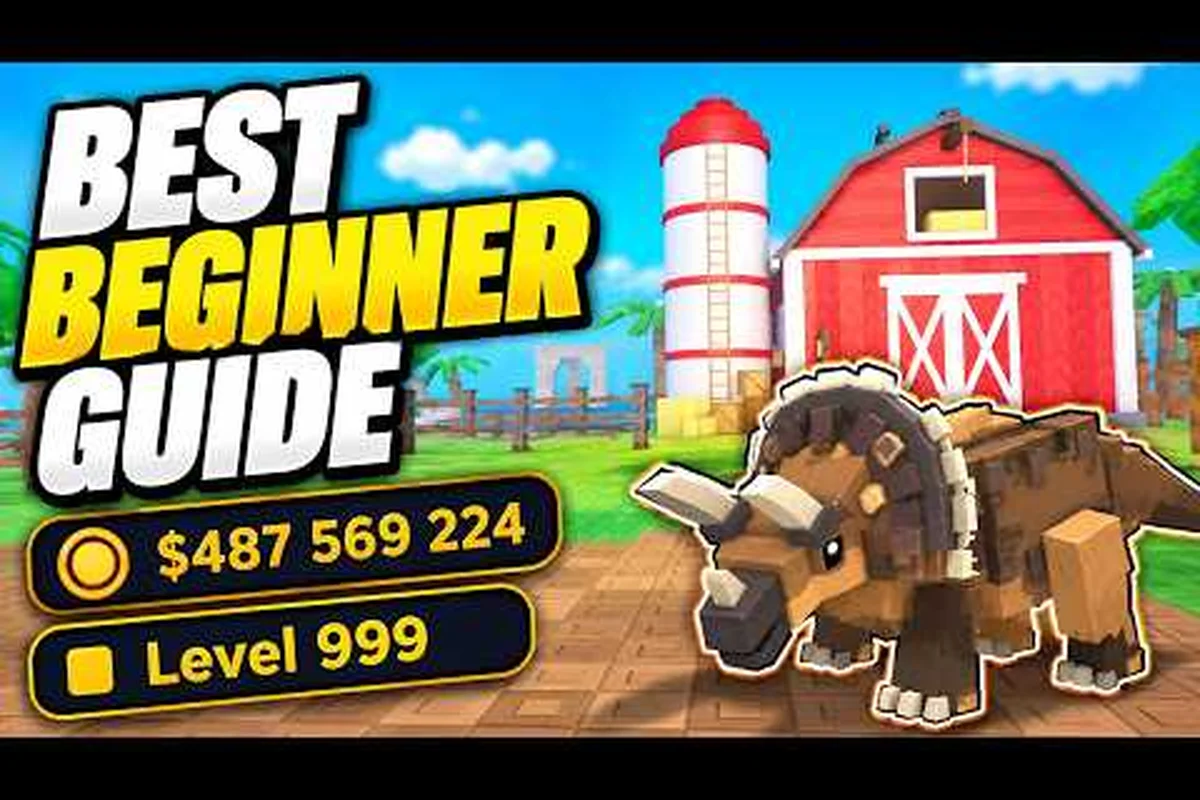
Your first hour in Prehistoric Farm decides whether you build a thriving dinosaur ranch or burn through starter coins on the wrong shovel. This beginner guide walks through the early dig loop, tool upgrades, and egg-hatching flow so you can raise your first dino without wasting resources. Understanding the green-zone dig meter and belly mechanic early is the difference between a smooth start and a frustrating reset.
Core Gameplay Loop for New Players
Prehistoric Farm revolves around a simple cycle: dig up fossils on wild islands, assemble full fossil sets, and convert them into eggs at Dr. Ivy's DNA Lab. The eggs then go into an incubator, hatch into Newborns, and grow through several stages until they reach Elder status. While the loop sounds straightforward, the timing and resource management behind each step determine how quickly you progress.
The most important early mechanic is the green-zone dig meter, which rewards timed releases during excavation. When you dig, a moving indicator sweeps across a meter, and releasing your input inside the green zone yields cleaner fossils and bonus progress. Players who ignore this mechanic waste shovel durability and receive fragmented fossils that take longer to assemble. According to community data, mastering the green-zone timing during your first ten digs can save roughly twenty minutes of grinding compared to random tapping.
| Early Game Step | Primary Action | Key Resource | Beginner Priority |
|---|---|---|---|
| Starter Digging | Excavate fossils on the first island | Shovel durability | High |
| Fossil Assembly | Combine matching fossil pieces | Fossil fragments | Medium |
| DNA Conversion | Trade full sets at Dr. Ivy's Lab | Complete fossil sets | High |
| Egg Incubation | Place eggs in the incubator | Incubation time | Medium |
| Dino Raising | Feed and grow hatched dinos | Food supply | High |
A common mistake new players make is selling individual fossil fragments instead of saving them for full sets. Full sets convert into eggs at a much better value than selling fragments piecemeal, and eggs are the gateway to expanding your dino collection. The starter island has enough dig sites to complete your first two sets within the opening session if you focus on one fossil type at a time.
Starter Tools and Shovel Progression
Your shovel is the backbone of early progression, and upgrading it should be your first coin priority. The starter shovel has limited durability and a narrow green zone, which makes timed digs harder than they need to be. As you earn coins from completed digs and dino sales, investing in shovel upgrades expands the green zone width and increases durability, making every subsequent dig more forgiving.
Community walkthroughs, including the Prehistoric Farm Beginners Guide video by MineBlox, consistently recommend prioritizing shovel upgrades over cosmetic purchases during the first few hours. The reasoning is simple: a better shovel speeds up the fossil collection loop, which feeds into faster egg production, which generates more coins for everything else. Cosmetics do not accelerate this loop at all.
| Shovel Tier | Green Zone Width | Durability | Unlock Cost | Recommended Timing |
|---|---|---|---|---|
| Starter Shovel | Narrow | Low | Free | Session 1 |
| Reinforced Shovel | Medium | Medium | ~500 coins | After first egg hatch |
| Precision Shovel | Wide | High | ~1,500 coins | After second island unlock |
| Master Excavator | Very Wide | Very High | ~4,000 coins | Mid-game transition |
Beyond the shovel, you will also want to keep a small coin reserve for food supplies. Dinosaurs only grow while their belly stays over half full, which means you need a steady stream of food to keep your growing collection progressing. Running out of food stalls growth entirely, so treat food purchases as a recurring operational cost rather than an optional expense.
Hatching and Raising Your First Dino
Once you have assembled a full fossil set and converted it at Dr. Ivy's DNA Lab, the egg enters your incubator. Incubation takes real time, and you cannot speed it up without spending premium currency or waiting. The key is to start incubation early and keep it running while you continue digging for the next fossil set, rather than standing idle waiting for the timer to finish.
When the egg hatches, you get a Newborn dino that requires consistent feeding to grow. The growth system is passive but conditional: a dino only progresses through its growth stages while its belly is over half full. This means you should check your dinos regularly, top up their food, and then return to digging. A dino left hungry stops growing, which wastes the incubation time you already invested.
| Growth Stage | Approximate Time | Food Requirement | Key Unlock |
|---|---|---|---|
| Newborn | 0-10 minutes | Low | Basic movement |
| Juvenile | 10-30 minutes | Medium | Faster walking |
| Adult | 30-90 minutes | High | Riding capability |
| Elder | 90+ minutes | Very High | Maximum size and value |
Riding fully grown partner dinos across the islands is one of the most satisfying parts of Prehistoric Farm, and it also speeds up travel between dig sites. The official Prehistoric Farm game page on Roblox describes the ride mechanic as a core mobility feature, and experienced players agree that unlocking your first rideable dino should be a top early goal. Faster travel means more digs per session, which compounds your coin income.
Island Progression and Early Exploration
Your first island is designed to teach the core loop, but the real depth of Prehistoric Farm opens up when you start exploring wild islands. Each island has different fossil types, dig site layouts, and environmental challenges. The starter island focuses on common fossils that assemble quickly, while later islands introduce rarer fossils that take longer to complete but yield more valuable eggs.
Buying bigger boats is the gate to island progression. The starter boat can only reach nearby islands, while larger boats unlock access to open-sea fishing, diving for rare catches, and eventually the Sunken Grotto, where you can sneak in to steal sea-reptile fossils. This progression path gives you a long-term goal beyond the basic dig loop, and it is worth planning your coin spending around boat upgrades once your shovel is comfortable.
| Island Type | Access Requirement | Fossil Rarity | Special Feature |
|---|---|---|---|
| Starter Island | None | Common | Tutorial dig sites |
| Nearby Wild Islands | Starter boat | Uncommon | Varied fossil types |
| Open Sea | Medium boat | Rare | Fishing and diving |
| Sunken Grotto | Large boat | Very Rare | Sea-reptile fossils |
The Project Mirvy group page on Roblox notes that Prehistoric Farm launched on October 2, 2026, and the group has grown to about 108,000 members as of October 2026. Joining the group is required before you can redeem in-game codes, which often provide free coins or temporary boosts. If you are starting out, joining the group and checking for active codes is a quick way to get a small head start without spending anything.
Efficient First Session Strategy
Your first session should follow a clear priority order to maximize progress without wasting coins. Start by completing the tutorial digs and getting comfortable with the green-zone timing. Then focus on assembling your first complete fossil set and starting incubation as early as possible. While the egg incubates, continue digging for a second set and begin saving coins for your first shovel upgrade.
Many beginners make the mistake of buying the first thing they can afford, which often means a cosmetic item or a boat upgrade they cannot fully utilize yet. Instead, follow a simple rule: if a purchase does not speed up fossil collection, dino growth, or travel efficiency, it can wait. This rule keeps your coin spending aligned with progression and prevents the frustrating situation of being broke when a critical upgrade becomes available.
-
First 10 minutes: Complete tutorial digs and practice green-zone timing until you can hit it consistently
-
10-30 minutes: Assemble your first fossil set and start egg incubation at Dr. Ivy's Lab
-
30-60 minutes: Dig for a second fossil set while the first egg incubates
-
60-90 minutes: Buy your first shovel upgrade and check on your hatched Newborn
-
90+ minutes: Feed your growing dino, plan your next island unlock, and redeem any available codes
Players who follow this structure typically have their first rideable dino within two to three sessions, based on community reports. The exact timing varies depending on how efficiently you hit the green zone and how consistently you keep your dino fed, but the progression path is reliable. For a deeper look at optimizing your leveling speed once you have the basics down, the leveling guide breaks down the fastest XP sources and upgrade priorities.
Frequently Asked Questions
What should I do first in Prehistoric Farm?
Complete the tutorial digs and focus on hitting the green-zone dig meter consistently. Save every fossil fragment you find and assemble your first full set as quickly as possible. Convert that set into an egg at Dr. Ivy's DNA Lab and start incubation immediately.
How do I get more coins as a beginner?
Dig fossils, assemble full sets at Dr. Ivy's DNA Lab, and convert them into eggs — full sets pay far more than selling individual fragments. Redeem codes like UPDATE05 for 20,000 Coins plus Double EXP, and buy the first shovel upgrade early, since the wider green zone speeds up every dig.
When can I ride a dinosaur?
You can ride a dino once it reaches the Adult growth stage, which takes roughly thirty to ninety minutes of feeding and waiting. Keep the dino's belly over half full to ensure continuous growth, and check back regularly to top up its food.
Do I need to join the Project Mirvy group?
Yes, joining the Project Mirvy group is required before you can redeem any in-game codes in Prehistoric Farm. The group is free to join and has over 106,000 members. Codes like UPDATE05 grant 20,000 Coins plus Double EXP for 30 minutes, giving new players a strong early boost.
What is the best early upgrade?
Your first shovel upgrade is the best early coin sink because it widens the green zone and increases durability. A better shovel speeds up every subsequent dig, accelerating the fossil-to-egg loop and generating more coins for future purchases. Prioritize this before spending on cosmetics or decorations.