
Fossils & Digging
Prehistoric Farm fossils and digging guide: the green-zone timing trick, every shovel tier, and where to hunt gem fossils like aquamarine, jasper, topaz, emerald and obsidian.
Introduction
Fossils and digging are the economic engine of Prehistoric Farm. You hold your shovel on a dig site, a meter fills, and you release at the right moment — the green zone — to pull better finds. The quality of your shovel decides how much each dig site pays out, and the island you are on decides which fossils and gem fossils can drop. Gem fossils like aquamarine, jasper, topaz, emerald and obsidian have dedicated dig spots spread across the islands, and players hunt them both for their high sale value and for the rare set pieces they tend to accompany. This hub explains the green-zone mechanic in detail, ranks every shovel tier, lists the known gem dig locations from community exploration, and gives you grinding routes that keep your fossil bank full without wasting time on low-payout sites.
Gem Fossils & Dig Sites
| Gem Fossil | Where to Dig | Notes |
|---|---|---|
| Aquamarine | Dedicated dig locations across the islands | Popular early-mid gem target (community data) |
| Jasper | Specific higher-value dig spots | Hunted for its higher sale value |
| Topaz | Dedicated dig spots | Common hunt during mid-game |
| Emerald | Notable dedicated dig site | Good late-mid target |
| Obsidian | Late-game dig areas | Sought after in the endgame (community data) |
Digging Essentials
Dig Meter
The green-zone timing loop that decides the quality of every find.
Aquamarine
The popular early-to-mid gem fossil on dedicated dig routes.
Jasper
A higher-value gem fossil players hunt for bigger dig payouts.
Topaz
A dependable mid-game gem located at dedicated dig spots.
Emerald
A notable gem with its own dedicated dig site.
Obsidian
The late-game gem fossil sought in the deepest dig areas.
Core Mechanics
The digging minigame is a timing loop. You stand on a dig site, hold your shovel button, and a meter swings across the dig overlay. When it is somewhere in the green zone you release, and the game rewards a better find — more fossil pieces, better gem fossils, and fewer common filler drops. Timing outside the green still digs, but with noticeably worse payout odds. Shovel upgrades raise the base payout of every dig site: a higher-tier shovel not only digs faster but also increases the chance of pulling rare pieces and gems from the same spot. Dig sites are scattered around every island, and they respawn after a short cooldown, so a good grinding route is a loop of dig sites that respawns just as you finish the circuit. Islands unlocked later in the game hold stronger dig sites, which is why completing the island progression and upgrading your boat indirectly income-drives your fossil collection.
Advantages
Good fossil technique pays off immediately in efficiency. A player who consistently hits the green zone will pull significantly more rare pieces per hour than someone who mashes release, which means faster set completions and more eggs. Gem fossils add a bonus income spike on top: a single aquamarine or obsidian sale can fund a shovel upgrade that ordinary dig filler would take a long time to cover. Because dig sites respawn, a well-planned route converts idle time into a steady trickle of fossils, and the deeper islands' stronger sites mean the same digging effort produces more value as you progress. Knowing the rag-rare dig spots also lets you stack a Double Luck window exactly where it matters, turning a short boost into a targeted gem-hunting session rather than a generic grind.
Challenges
Digging is a time sink before it is a strategy. Rare fossil pieces are famously stingy, and completing the later sets can take many trips to the right island. The green-zone mechanic also punishes rhythm problems — on mobile the meter moves faster, and on console the release timing is slightly different, so players switching devices often dig worse for a whole session until they relearn the window. Gem fossil locations are community-reported and shift after updates, so a gem guide that is a week old can send you to a spot that no longer drops. Finally, shovel upgrades are expensive relative to the early-game coin influx, which creates a chicken-and-egg problem: you need a better shovel to earn coins faster, but you need coins to buy a better shovel.
Frequently Asked Questions
How does the dig meter and green zone work in Prehistoric Farm?+
Where are the gem fossils in Prehistoric Farm?+
What is the best shovel and how do I upgrade it?+
Quick Tips
Learn the green-zone timing on your starter island before you spend anything. Every dig site uses the same meter, so one hour of clean green-zone releases on the cheap island trains the skill you will use on every harder site later. Mash releasing is the fastest way to waste good dig spots. Keep a mental map of which dig spots respawn fastest on your current island, and hit those first whenever you only have a short session to play.
Run a dig-site circuit rather than camping one spot. Dig sites respawn on a cooldown, so a loop of three to five sites keeps your shovel busy while the earlier spots refill. Time your route so you arrive back at the first site just as it respawns. Keep a mental map of which dig spots respawn fastest on your current island, and hit those first whenever you only have a short session to play.
Do not sell gem fossils the second they drop. A gem fossil's real value is the rare set piece it tends to accompany and the better dig payout during luck-boost windows. Save at least one of each gem for quests and set needs before you cash extras. Keep a mental map of which dig spots respawn fastest on your current island, and hit those first whenever you only have a short session to play.
Featured
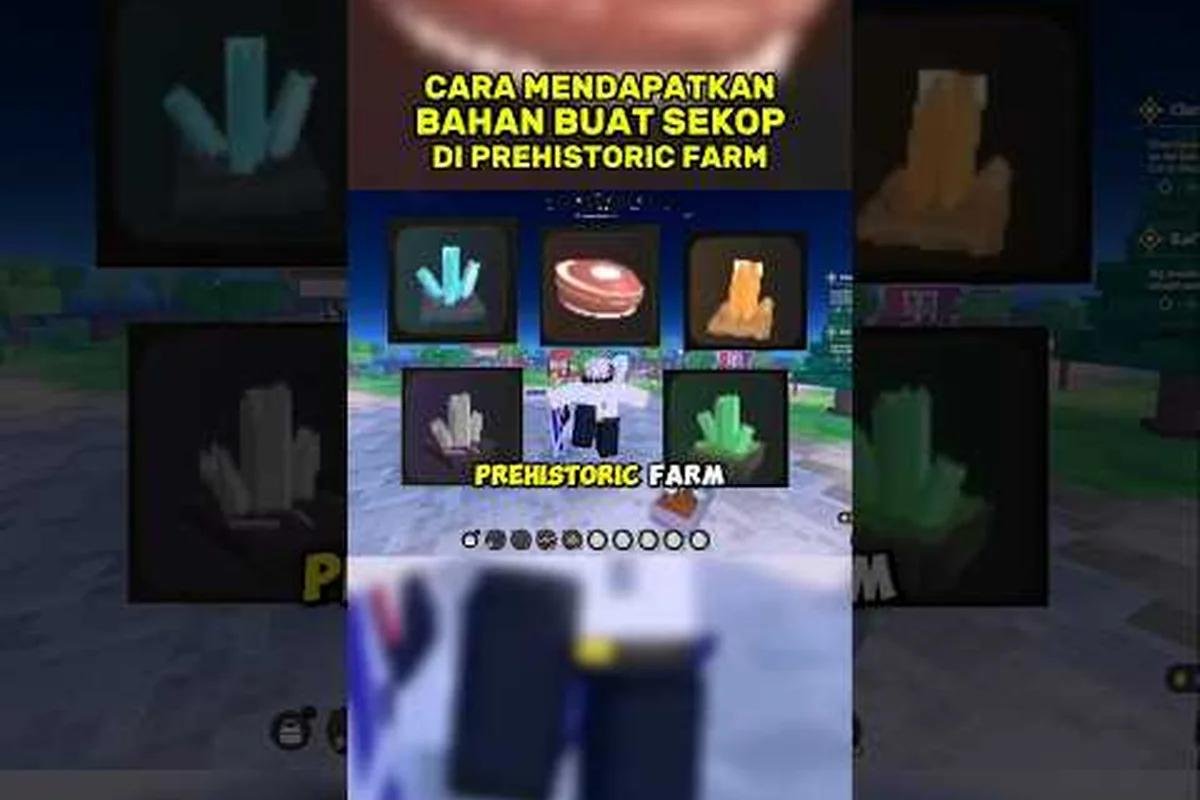
Prehistoric Farm Fossil Fragments: Shovel Tier List
Compare prehistoric farm fossil fragments by rarity, from common to legendary, and see which shovel upgrades and best shovel choices speed up your digging loop.

Prehistoric Farm Fossil Guide: Dig Sites and Gems
Find every Prehistoric Farm fossil location and best dig spot across wild islands, then use the dig meter and green zone timing to complete sets faster.

Prehistoric Farm Fossil Value: What Fossils Do
Learn prehistoric farm fossil value, what fossils actually do, and which dig spots by island give the best return when fossil farming for coins and eggs.
All Articles

Prehistoric Farm How to Get a Better Shovel Fast
Learn prehistoric farm how to get a better shovel using the dig meter, green zone digging, and perfect dig timing so every swing yields more fossils per trip.

Prehistoric Farm Rare Fossils: Every Gem Location
Hunt prehistoric farm rare fossils and gem locations across every island, then complete fossil sets faster to unlock premium eggs and top-tier dinosaurs.

Prehistoric Farm Jasper: Gems and Best Shovels
Uncover prehistoric farm jasper, topaz, emerald, and obsidian gem locations, plus which shovel upgrades dig them up fastest for your fossil collection.

Prehistoric Farm Shiny Fossil: Spawn Spots and Reset
Learn the prehistoric farm shiny fossil spawn spots, aquamarine rewards, and fastest way to dig reset for efficient rare fossil farming.