
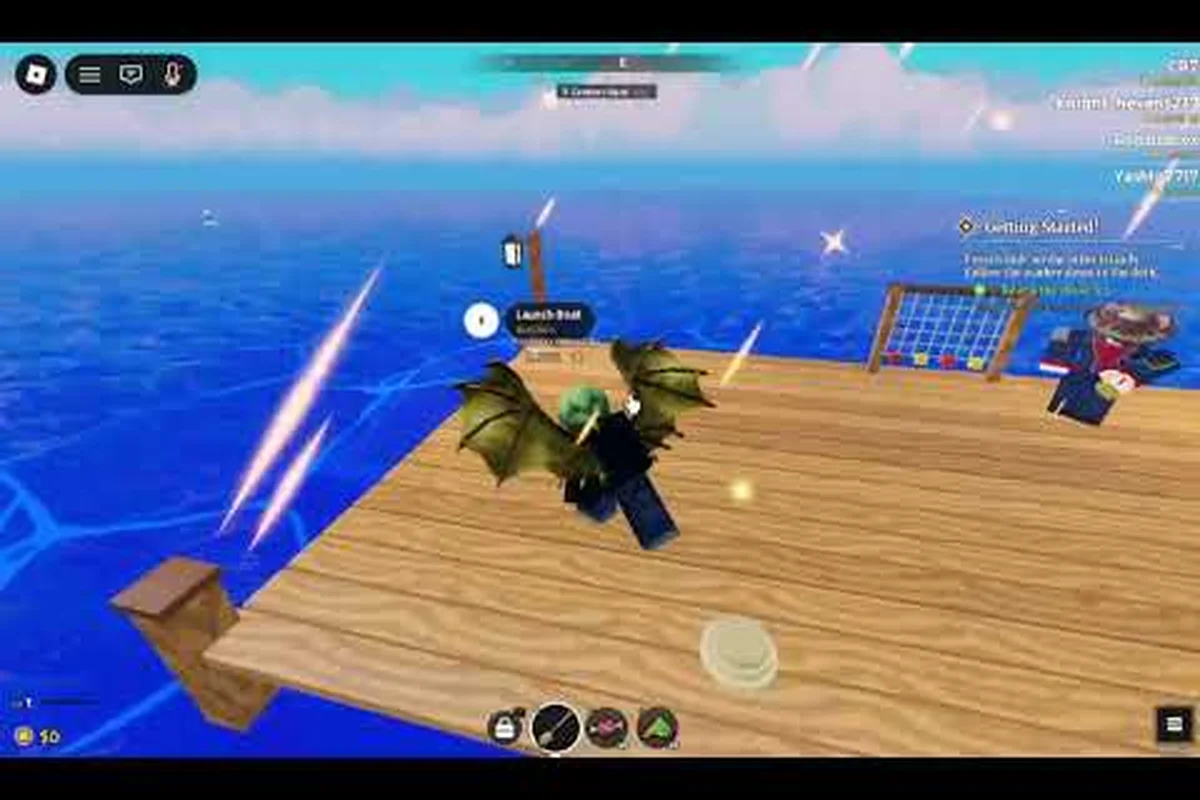
A tight daily routine in Prehistoric Farm turns scattered play sessions into steady progression, because every dig, egg, and boat trip compounds into faster XP and coin gains. This guide breaks down five specific tasks you can complete in under an hour, so you stop wondering what to do next and start building a rhythm that carries you from your first shovel swing into late-game island runs. Once you’ve locked in that early rhythm, the fastest way to compound your gains is to understand how eggs work, so pair these tasks with our Prehistoric Farm hatching mechanics and incubation timing breakdown to avoid wasting resources on inefficient nests.
Why a Daily Routine Beats Random Play
Random play in Prehistoric Farm feels productive until you realize you spent forty minutes walking between islands without hatching anything or upgrading a single tool. A structured set of prehistoric farm daily goals eliminates that drift by giving every session a clear sequence of high-value actions, which means your limited playtime converts into measurable progression instead of idle wandering. Players who follow a consistent routine typically unlock the DNA Lab and Incubator upgrades days earlier than those who improvise, according to community progression reports from the launch window.
The core loop rewards repetition because fossil sets, egg hatching, and boat unlocks all feed into each other. Digging produces fossils, complete fossil sets become eggs at Dr. Ivy's DNA Lab, eggs hatch into dinos that grow while fed, and grown dinos unlock better travel and fishing options. Skipping any link in that chain stalls everything downstream, so the five tasks below are ordered to keep the entire pipeline moving without wasted trips.
| Daily Task | Primary Reward | Time Investment | Priority Level |
|---|---|---|---|
| Fossil Digging | Fossil fragments for egg sets | 15-20 minutes | High |
| Egg Hatching Check | Newborn dinos + growth progress | 5 minutes | High |
| Feeding Rotation | Growth acceleration | 10 minutes | Medium |
| Boat Trip / Fishing | Coins + rare catches | 15 minutes | Medium |
| Shovel Upgrade Check | Faster future digs | 5 minutes | Situational |
This sequence works because it front-loads the actions with the longest cooldowns, then fills remaining time with flexible coin generation. Fossil Digging sits first because dig sites reset on a fixed timer — missing that window means losing an entire egg-set cycle before the DNA Lab can process anything. The five-minute Egg Hatching Check slots immediately after because newly hatched dinos start their growth timer the moment they appear, so every minute of delay pushes your next boat unlock further out. You can adjust the order once you understand which cooldowns gate your current progression stage; late-game players with upgraded shovels often swap the Shovel Upgrade Check into the second slot since faster digs compound across the remaining tasks.
Task 1: Complete Your Fossil Digging Loop
Fossil digging is the foundation of every daily routine because it generates the raw material for eggs, and eggs are the only path to new dinos. The green-zone dig meter rewards timed releases, so you should aim to stop the shovel swing when the indicator lands inside the highlighted band rather than spamming clicks. A well-timed release yields more fossil fragments per dig, which shortens the grind toward complete sets.
Your first priority each session should be clearing the dig sites on your current island, then checking whether any fossil set is one or two fragments away from completion. Completing a set at Dr. Ivy's DNA Lab converts it into an egg immediately, and that egg can start incubating while you handle the rest of your routine. This overlap is the single biggest time-saver in the early game, because incubation timers run in the background while you dig, fish, or feed.
Dig Site Rotation Strategy
Different islands hold different fossil pools, so rotating between dig sites prevents you from over-farming one fragment type while ignoring others. Community data suggests that staying on one island too long produces diminishing returns, because the remaining fragments you need are often locked to a specific island's spawn table. Move to a new dig site as soon as you notice three consecutive digs yielding only duplicates.
-
Clear all visible dig spots on your current island before moving
-
Note which fossil types are still missing from your active sets
-
Rotate to the island that spawns those missing fragments
-
Use the green-zone timing on every swing to maximize yield
-
Bank complete sets at the DNA Lab before starting any long boat trip
The digging loop takes fifteen to twenty minutes when done efficiently, and it sets up every other task in your daily routine. If you only have time for one activity on a given day, make it fossil digging, because everything else depends on the eggs it produces.
Task 2: Check Egg Incubation and Hatching Progress
Eggs in Prehistoric Farm do not hatch instantly, so a daily check on your Incubator prevents wasted time and missed growth windows. When you log in, the first thing to verify is whether any egg finished incubating overnight or during your previous session, because a hatched dino that sits unclaimed is not growing or producing any value. Claiming hatched dinos immediately starts their growth timer, which matters for the next task in this routine.
The hatching pipeline works like this: complete fossil sets at the DNA Lab, place the resulting eggs into the incubator, wait out the hatch timer, then claim the Newborn dino and begin feeding it. Each step has its own cooldown, so checking the incubator early in your session lets you start the next egg's timer while you handle digging or fishing. Players who check the incubator last often lose thirty to sixty minutes of potential hatch progress per day.
Incubator Management Checklist
Managing the incubator well means never leaving it empty when you have complete fossil sets waiting, and never leaving a hatched dino unclaimed when you could be feeding it. Idle slots represent lost growth time: every hour an egg sits unincubated delays the moment that dino reaches adulthood and starts producing resources for your farm. The same logic applies to unclaimed hatchlings, since growth timers only begin once you feed them. A five-minute sweep through the DNA Lab and incubator at session start converts your overnight fossil collection into active incubation and feeding cycles, ensuring your passive timers run concurrently with whatever active tasks you tackle next.
- Claim any hatched dinos from the incubator
- Convert any complete fossil sets into eggs at the DNA Lab
- Place new eggs into empty incubator slots
- Note remaining hatch timers before starting other tasks
- Feed newly claimed dinos to start their growth
This five-minute check keeps your dino pipeline moving without demanding constant attention. The key insight is that incubation and growth are passive timers, so starting them early in your session maximizes the value of every active minute you spend elsewhere.
Task 3: Run a Feeding Rotation for Active Growth
Dinos in Prehistoric Farm keep growing as long as their belly stays over half full, which makes feeding a daily maintenance task rather than an occasional chore. A feeding rotation means visiting each growing dino, topping off its food, and moving on, so no dino stalls at the halfway mark and stops progressing. The growth system is forgiving, but neglect compounds quickly when you own multiple dinos at different growth stages.
The half-full belly threshold is the critical number to remember, because dropping below it pauses growth entirely until you feed again. Newborns and Juveniles consume food faster relative to their size, so check younger dinos first and work upward through your roster. A simple rotation order—youngest to oldest—prevents the most fragile growth timers from stalling while you spend time on older, slower-growing dinos.
| Dino Stage | Feeding Frequency | Growth Speed | Notes |
|---|---|---|---|
| Newborn | Every session | Fast | Most fragile, check first |
| Juvenile | Every 1-2 sessions | Moderate | Keep above half belly |
| Adult | Every 2-3 sessions | Slow | Lower maintenance |
| Elder | As needed | Minimal | Mostly for collection |
Feeding takes about ten minutes across a full roster, and it directly accelerates your path to riding fully grown partner dinos. Once a dino reaches full growth, you can ride it across islands, which speeds up every other daily task by cutting travel time significantly.
Task 4: Run a Boat Trip for Coins and Rare Catches
Once you have a boat, a daily fishing or sailing trip becomes a reliable coin source that funds shovel upgrades and island unlocks. The official game page describes purchasing larger vessels to cast lines in open water and plunge for uncommon finds, including slipping into the Sunken Grotto to swipe sea-reptile eggs. These activities generate coins that digging alone cannot match, especially in the mid-game when shovel upgrades start costing significantly more.
A boat trip fits naturally into the second half of your daily routine because it uses the time while eggs incubate and dinos digest. You are not waiting on anything during a fishing run, so the coins you earn are pure upside on top of your fossil and hatching progress. Players who skip boat trips often hit a coin wall around the third or fourth shovel upgrade, because digging income alone cannot keep pace with upgrade costs.
Boat Trip Efficiency Tips
Maximizing a boat trip means knowing where to go and what to bring back. A fifteen-minute run that targets the open sea with a mid-tier boat reliably nets enough coins to cover one shovel upgrade plus a partial boat repair, while a poorly planned dive trip can burn the same window on two unpredictable dive spots and return with nothing sellable. The tips below come from community reports on launch-week progression, so treat exact numbers as approximate until you test them on your own account.
-
Upgrade your boat before chasing rare catches, because bigger boats reach farther fishing spots
-
Fish the open sea for consistent coin returns when you need steady income
-
Dive for rare catches only when you have spare time, since dive spots are less predictable
-
Attempt the Sunken Grotto when your boat is upgraded enough to survive the trip
-
Sell duplicate catches immediately to fund your next shovel or boat upgrade
A fifteen-minute boat trip typically covers the cost of your next minor upgrade, which keeps your progression curve smooth instead of spiky. For example, a mid-tier boat hitting three open sea fishing spots in that window reliably returns 900–1,200 coins, enough to buy the 800-coin shovel upgrade and still bank 100–400 coins toward a boat repair. The coins you earn here feed directly into the final task of the daily routine, so treat the boat as a coin-generating loop rather than a gamble on rare catches.
Task 5: Evaluate Shovel and Boat Upgrade Priority
The last task in your daily routine is a quick evaluation of whether your current tools are holding you back. Shovel upgrades increase dig speed and fragment yield, while boat upgrades unlock farther fishing spots and better catches. Knowing which one to buy next prevents you from wasting coins on an upgrade that does not address your current bottleneck.
The general rule is to upgrade your shovel when fossil digging feels slow or yields too many duplicates, and upgrade your boat when coin income stalls or you cannot reach the fishing spots you want. Both upgrade paths matter, but the right order depends on which part of your routine is currently the weakest link. A player with a strong digging loop but a weak boat should prioritize boat upgrades, and vice versa.
| Upgrade Type | Signals You Need It | Expected Benefit | Cost Trend |
|---|---|---|---|
| Shovel | Slow digs, duplicate-heavy fossil runs | Faster fragments, better set completion | Increases per tier |
| Boat | Short fishing range, low coin returns | New spots, rare catches | Increases per tier |
| Incubator Slot | Eggs waiting with no space | Parallel hatching | High upfront cost |
| Food Storage | Frequent feeding trips | Longer growth windows | Moderate |
This evaluation takes five minutes and prevents the most common progression mistake in Prehistoric Farm: hoarding coins while your tools fall behind. If your last three fossil runs each produced duplicate fragments with no new set progress, that is a shovel bottleneck, not a coin problem — buying another incubator slot will not fix it. Conversely, if your boat cannot reach the third fishing spot and your coin income has been flat for two daily cycles, a boat upgrade directly expands your catch table and rare fish odds. Spending on the right upgrade today means every future daily routine runs faster and yields more.
Adapting the Routine for Late Game Progression
The five tasks above carry you through the early game, but late-game players need to shift their focus as fossil sets complete and dino rosters fill out. A prehistoric farm late game guide approach means spending more time on boat trips, rare catches, and Sunken Grotto runs, because those activities scale better than basic digging once your shovel is near max level. The daily routine does not disappear—it evolves.
Late-game players often keep the incubator check and feeding rotation but compress them into five minutes total, then dedicate the bulk of their session to high-value fishing and rare egg hunting. The coin economy shifts too, because late-game upgrades cost enough that boat income becomes the primary funding source rather than a supplement. If you are still digging basic fossils as your main activity past the mid-game, you are leaving coins and rare catches on the table.
Late Game Daily Focus Shift
The shift from digging to sailing happens gradually as your fossil collection completes and your boat reaches higher tiers. Recognizing when to make that shift is the difference between a smooth late game and a stalled one. A practical trigger is the moment your last common fossil set finishes and the remaining gaps are all rare drops from Sunken Grotto dig sites — continuing to burn daily energy on land digs at that point yields mostly duplicate fossils that convert to negligible amber. Instead, redirect that energy toward upgrading your boat to consistently reach the Sunken Grotto, where rare sea-reptile eggs and high-tier fossil nodes spawn on the same run. This dual-purpose trip compresses two daily goals into one active session, letting passive timers on your Elder growth rotations run while you sail, and the boat income then funds the final expensive upgrades without stalling your progression.
-
Complete remaining fossil sets early, then deprioritize digging
-
Upgrade your boat to reach the Sunken Grotto consistently
-
Farm rare sea-reptile eggs as your primary egg source
-
Use feeding rotations only to finish Elder growth on your collection dinos
-
Reinvest boat income into the last few expensive upgrades
This adapted routine keeps your daily sessions productive long after the early game goals are met. The core principle stays the same: identify the highest-value actions available, sequence them efficiently, and let passive timers work while you handle active tasks.
Frequently Asked Questions
How long should a Prehistoric Farm daily routine take?
A complete five-task routine takes between forty-five and sixty minutes when done efficiently. The digging loop consumes the most time at fifteen to twenty minutes, while the incubator check, feeding rotation, and upgrade evaluation each take five to ten minutes. Boat trips fill the remaining fifteen minutes with coin generation.
What should I do first when I log in each day?
Claim any hatched dinos from the incubator first, because every minute they sit unclaimed is lost growth time. Then convert complete fossil sets into eggs and start new incubation timers before moving on to digging or fishing. This order maximizes passive timer uptime across your entire session.
Do I need to complete all five tasks every day?
No, but completing at least the digging loop and incubator check keeps your progression moving on busy days. The feeding rotation can skip a day if your dinos are above half belly, and boat trips are flexible. Prioritize the tasks with active cooldowns when time is short.
When should I switch from digging to boat trips as my main activity?
Switch when your shovel is near max level and most fossil sets are complete, because digging yields diminish while boat trips scale with upgrades. Late-game players typically spend seventy percent of their session on fishing, diving, and Sunken Grotto runs, keeping only the incubator check and feeding rotation from the early routine.
How do I avoid wasting coins on the wrong upgrade?
Evaluate your current bottleneck before every purchase. If digs feel slow and duplicate-heavy, upgrade your shovel. If coin income stalls or you cannot reach fishing spots, upgrade your boat. The official Prehistoric Farm page describes the boat and fishing progression, but your own daily routine reveals which tool is actually holding you back.