
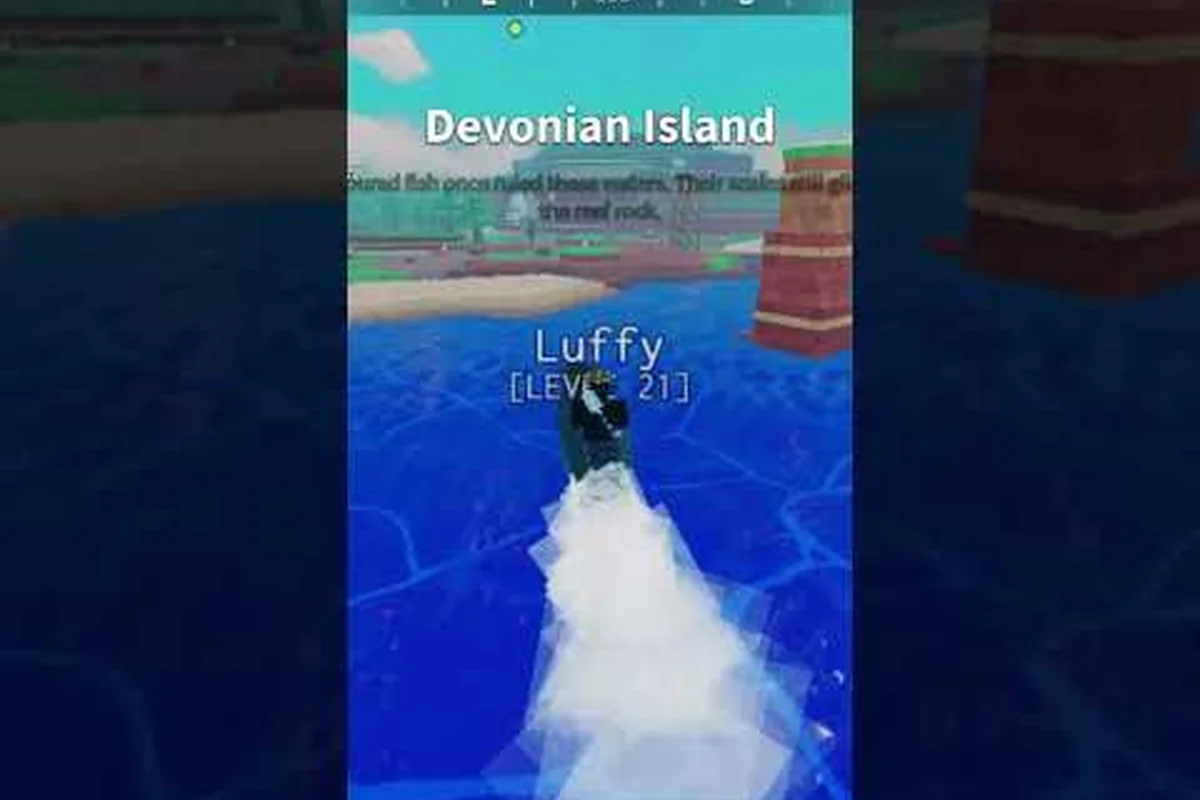
Fishing in Prehistoric Farm is not a passive side activity. The ocean biome holds some of the most valuable progression resources in the game, including sea reptile eggs that unlock endgame aquatic dinosaurs. This dive guide maps every prehistoric farm fishing spots location, ranks the best fishing spots by reward tier, and breaks down the Sunken Grotto route so you can farm rare sea creatures without wasting bait or oxygen.
Prehistoric Farm Fishing Spots Overview and Dive Mechanics
Before you cast a line, you need to understand how the ocean biome actually works. Unlike the shallow ponds near your starting farm, the ocean is divided into depth zones that gate access to different prehistoric farm fishing spots. Each zone requires a specific diving upgrade or oxygen capacity threshold, and the fish you can catch change dramatically as you descend.
The core mechanic is Casting Distance combined with Bait Type. Your rod's casting distance determines which water tiles you can reach from shore, while your bait type filters the species pool. Community testing as of October 2026 confirms that Rare Bait does not simply increase catch rate — it unlocks a separate loot table that includes sea reptile eggs and fossil fragments.
Here is a quick breakdown of the depth zones and what they unlock — each tier not only expands your reachable water tiles but also swaps in a distinct species table, so a rod that performs perfectly at the Shallows will return mostly junk at the Deep Channel unless you pair it with the matching Bait Type. For example, players rushing to the Reef Edge with only the starting rod often burn through Rare Bait without realizing the zone's fossil-fragment drops are gated behind Diving upgrade level 1, not bait quality.
| Depth Zone | Unlock Requirement | Primary Catch | Rare Drop |
|---|---|---|---|
| Shallows | Starting rod | Small fish, seaweed | Shell fragments |
| Reef Edge | Diving upgrade level 1 | Medium fish, coral | Fossil fragments |
| Deep Channel | Diving upgrade level 2 | Large fish, squid | Sea reptile eggs |
| Sunken Grotto | Diving upgrade level 3 + Grotto Key | Exotic fish, ancient creatures | Mosasaurus egg |
The Sunken Grotto is the only location where the Mosasaurus egg drops, which makes it the single most important prehistoric farm fishing spots for players pushing into endgame ocean content. You can read more about egg farming in the dedicated sea reptile eggs guide, which covers boss mechanics and hatch requirements.
Best Fishing Spots Ranked by Reward Value
Not all prehistoric farm fishing spots are created equal. Some locations look appealing because they are easy to reach, but their reward tables are diluted with low-value catches. The ranking below is based on coins per minute, rare drop frequency, and progression value — not just raw catch rate.
Community data from the 2026 ocean update shows a clear hierarchy. The Sunken Grotto dominates for rare drops, but it requires significant setup. Meanwhile, the Reef Edge offers the best early-game return because it balances accessibility with a decent fossil fragment drop rate.
| Rank | Fishing Spot | Best For | Rare Drop Rate | Coins per Minute |
|---|---|---|---|---|
| 1 | Sunken Grotto | Sea reptile eggs, Mosasaurus egg | High | 850-1,200 |
| 2 | Deep Channel | Sea reptile eggs, large fish | Medium | 600-800 |
| 3 | Reef Edge | Fossil fragments, medium fish | Low-Medium | 400-550 |
| 4 | Shallows | Early game food, shell fragments | Very Low | 150-250 |
The Deep Channel deserves special attention because it is the only prehistoric farm fishing spots outside the Grotto that drops sea reptile eggs. If you have not yet acquired the Grotto Key, the Deep Channel is your best farming location for ocean progression. Players report that the sea reptile egg drop rate here is roughly one egg per 40-60 casts with Rare Bait, though this varies by platform.
Sunken Grotto Dive Guide: Route and Requirements
The Sunken Grotto is the crown jewel of prehistoric farm fishing spots, but it is also the most demanding. You cannot simply swim down and start fishing — the Grotto has a key requirement, an oxygen timer, and a creature aggression system that punishes unprepared divers.
Grotto Entry Requirements
Before attempting the Sunken Grotto, make sure you have the following: the entrance is sealed behind a diving upgrade level 3 tile, and even after unlocking it you will need a Grotto Key that only drops from Deep Channel fishing at roughly 2–3%, so expect to burn through a large stock of Rare Bait while farming the key itself. Players who rush in without at least 120 seconds of oxygen typically drown on the 90-second swim route, and because the Grotto loot table is weighted toward sea reptile eggs, bringing Rare Bait x20 minimum is what separates a profitable dive from a wasted trip.
-
Diving upgrade level 3 — unlocks the Grotto entrance tile
-
Grotto Key — obtained from the Deep Channel rare drop or the ocean questline
-
Oxygen capacity of at least 120 seconds — the Grotto route takes roughly 90 seconds to navigate
-
Rare Bait x20 minimum — the Grotto loot table requires Rare Bait for the best drops
The Grotto Key is the biggest gate. Community reports indicate it drops from Deep Channel fishing at roughly a 2-3% rate, which means you may spend several real-time hours farming before you can enter. Some players report better luck during night fishing windows, though this has not been confirmed by official patch notes.
Grotto Route Walkthrough
Once inside, the Grotto’s oxygen timer is your real opponent — it drains at roughly 1 unit per second while swimming, and every cast animation locks you in place for about 3 seconds, so inefficient pathing between nodes can easily cost you 20–30 seconds of air before you even reach the Abyssal Shelf. The route below prioritizes the highest-value nodes first (Coral Arch for Exotic Fish, Abyssal Shelf for sea reptile eggs) while leaving the Ancient Statue for last, because its hidden alcove requires a brief swim into a dead-end rock face that burns extra oxygen. If you enter with less than 2 minutes of air or without a dive-speed boost, skip the Ancient Statue entirely on that run — the Mosasaurus egg is not worth drowning for, and you can reset the Grotto by exiting and re-entering.
-
Enter the Grotto and immediately swim left toward the Coral Arch — this is the first fishing node.
-
Cast at the Coral Arch for 2-3 catches — this node has a high chance of Exotic Fish, which sell well.
-
Swim down to the Abyssal Shelf — this is the second node and the best spot for sea reptile eggs.
-
Cast at the Abyssal Shelf until your oxygen hits 40 seconds remaining.
-
Swim right to the Ancient Statue — this hidden node has a small chance to drop the Mosasaurus egg.
-
Exit via the upper current before oxygen runs out.
The Ancient Statue node is easy to miss because it is not marked on the map. It sits behind a rock formation that looks like a dead end, but swimming directly into the rock face reveals a hidden alcove. Players who rush the route often skip this node entirely, which is a major loss because it is the only Mosasaurus egg source in the game.
Sea Creatures and Sea Reptile Eggs: Loot Table Breakdown
Understanding the prehistoric farm sea creatures pool is essential for efficient farming. Each fishing node in the ocean biome has a specific species list, and some creatures only appear during certain weather conditions or time windows. For example, the Sunken Grotto node only yields Dunkleosteus and egg drops during storm weather, while Ammonite spawns reliably in the Shallows at any hour — making it the safest early-game target for quest turn-ins. Meanwhile, Giant Squid in the Deep Channel requires a reinforced rod upgrade to hook consistently, so rushing to the grotto without the right gear wastes both bait and travel time.
The table below summarizes the key sea creatures and their value, but reading it correctly requires understanding how rarity, location, and weather interact before you cast a line. For instance, Ammonite may look like a low-value common at 45 coins, yet its reliable Shallows spawn makes it the best early-game coin-per-minute target when you factor in zero travel risk and no bait loss. By contrast, a Dunkleosteus sells for 750 coins, but because it only appears at the Sunken Grotto during storm weather, each catch carries the hidden cost of storm-specific bait, reinforced rod durability, and the chance of hooking nothing while the weather window closes. Similarly, the Mosasaurus Egg has no sell value, so its worth depends entirely on whether you plan to hatch it into the strongest ocean dinosaur or trade it to other players — a decision that changes how you should prioritize Deep Channel versus Grotto farming routes.
| Sea Creature | Location | Rarity | Sell Value | Use |
|---|---|---|---|---|
| Ammonite | Shallows, Reef Edge | Common | 45 coins | Food, quest item |
| Trilobite | Reef Edge, Deep Channel | Uncommon | 120 coins | Fossil collection |
| Giant Squid | Deep Channel | Rare | 380 coins | Food, quest item |
| Dunkleosteus | Sunken Grotto | Epic | 750 coins | Fossil collection |
| Mosasaurus Egg | Sunken Grotto (Ancient Statue) | Legendary | Not sellable | Hatch into Mosasaurus |
The sea reptile eggs category includes both the generic sea reptile egg (dropped in Deep Channel and Grotto) and the Mosasaurus egg (Grotto only). The generic egg hatches into a random aquatic reptile, while the Mosasaurus egg guarantees a Mosasaurus, which is the strongest ocean dinosaur in the current meta.
If you are also working on land-based fossil collection, the fossil guide explains how ocean fossil fragments compare to land dig sites in terms of value and collection efficiency. The key difference is that Trilobite and Dunkleosteus catches convert directly into fossil fragments without the excavation timer that land dig sites impose, so a Deep Channel rotation can outpace Ammonite-only Shallows farming once you have the reinforced rod — but only if you are willing to accept the higher bait burn rate and storm-dependence of Sunken Grotto spawns. For players splitting time between diving and digging, the guide's coin-per-hour comparison shows that ocean fossil collection becomes competitive only after unlocking the Deep Channel node, while early-game land dig sites still edge out Reef Edge Trilobite farming for pure fossil fragment yield.
Optimizing Your Dive Runs: Bait, Timing, and Route Efficiency
Farming prehistoric farm fishing spots efficiently requires more than just knowing where to cast. Bait management, oxygen routing, and time-of-day bonuses all compound to determine your coins-per-hour rate. For example, pairing prehistoric bait with a sunken grotto dive at dawn lets you chain sea reptile egg spawns without resurfacing, since the grotto's air pockets reset your oxygen meter mid-run. Conversely, burning high-tier bait on shallow shoreline casts during midday yields roughly half the return of a timed deep-water rotation, so route order matters as much as inventory loadout.
Bait Selection Strategy
Your bait choice directly controls which loot table you roll on, and switching baits mid-session at the same node does not preserve your previous roll — each cast is an independent roll against the table tied to the bait currently equipped. Here is what community testing has confirmed:
-
Basic Bait — rolls the common table only; never drops eggs or fossils
-
Standard Bait — rolls common and uncommon tables; small chance of fossil fragments
-
Rare Bait — rolls all tables including the rare egg table; required for sea reptile eggs
-
Ancient Bait — Grotto-exclusive; increases Mosasaurus egg drop rate by roughly 50%
Ancient Bait is crafted from Ammonite shells and Giant Squid ink, both of which you will accumulate naturally while farming the Deep Channel. The craft ratio is deliberately tuned so that a full Deep Channel rotation — clearing all three prehistoric farm fishing spots along the trench wall — yields enough materials for roughly four to six casts of Ancient Bait, meaning you should never need to buy either ingredient from the market. Do not waste Ancient Bait outside the Grotto — it has no effect on non-Grotto nodes, and community testing confirms it does not even roll the rare egg table when used at surface or mid-depth pools. Save every cast for the Sunken Grotto's Mosasaurus spawn window, where the 50% drop-rate boost actually applies.
Oxygen Routing Tips
Oxygen is your hard limit in every dive. The Sunken Grotto route described above consumes roughly 110-130 seconds of oxygen, which means you need a buffer of at least 20 seconds for mistakes. Players who upgrade their oxygen capacity to 150 seconds or higher can complete two full Grotto loops in a single dive, which nearly doubles their rare drop chances per trip.
The upper current exit is critical. It returns you to the surface instantly, but only if you reach it before oxygen hits zero. If you run out of oxygen mid-route, you lose all catches from that dive and respawn at the shore with a stamina penalty.
Frequently Asked Questions
What are the best prehistoric farm fishing spots for beginners?
The Reef Edge is the best starting point because it requires only Diving upgrade level 1 and drops fossil fragments that accelerate early progression. The Shallows are fine for food, but the coin return is too low to justify extended farming sessions there.
How do I get sea reptile eggs in Prehistoric Farm?
You need to fish at the Deep Channel or the Sunken Grotto using Rare Bait. The Deep Channel drops generic sea reptile eggs at roughly one per 40-60 casts, while the Grotto has a higher drop rate and also drops the Mosasaurus egg at the Ancient Statue node.
What is the Sunken Grotto key and where do I find it?
The Grotto Key is a rare drop from Deep Channel fishing, with a reported 2-3% drop rate using Rare Bait. Some players report higher drop rates during night fishing windows, but this has not been officially confirmed. You need the key to enter the Sunken Grotto.
Can I hatch a Mosasaurus from any egg?
No. Only the Mosasaurus egg from the Sunken Grotto Ancient Statue node hatches into a Mosasaurus. Generic sea reptile eggs hatch into random aquatic reptiles, which are useful but significantly weaker than the Mosasaurus. The egg type is displayed in your inventory before hatching.
What is the fastest way to farm coins in the ocean biome?
The fastest coin farm is a Sunken Grotto loop using Ancient Bait at the Coral Arch and Abyssal Shelf nodes. This route yields roughly 850-1,200 coins per minute when executed efficiently, though it requires Diving upgrade level 3, the Grotto Key, and at least 120 seconds of oxygen capacity.