
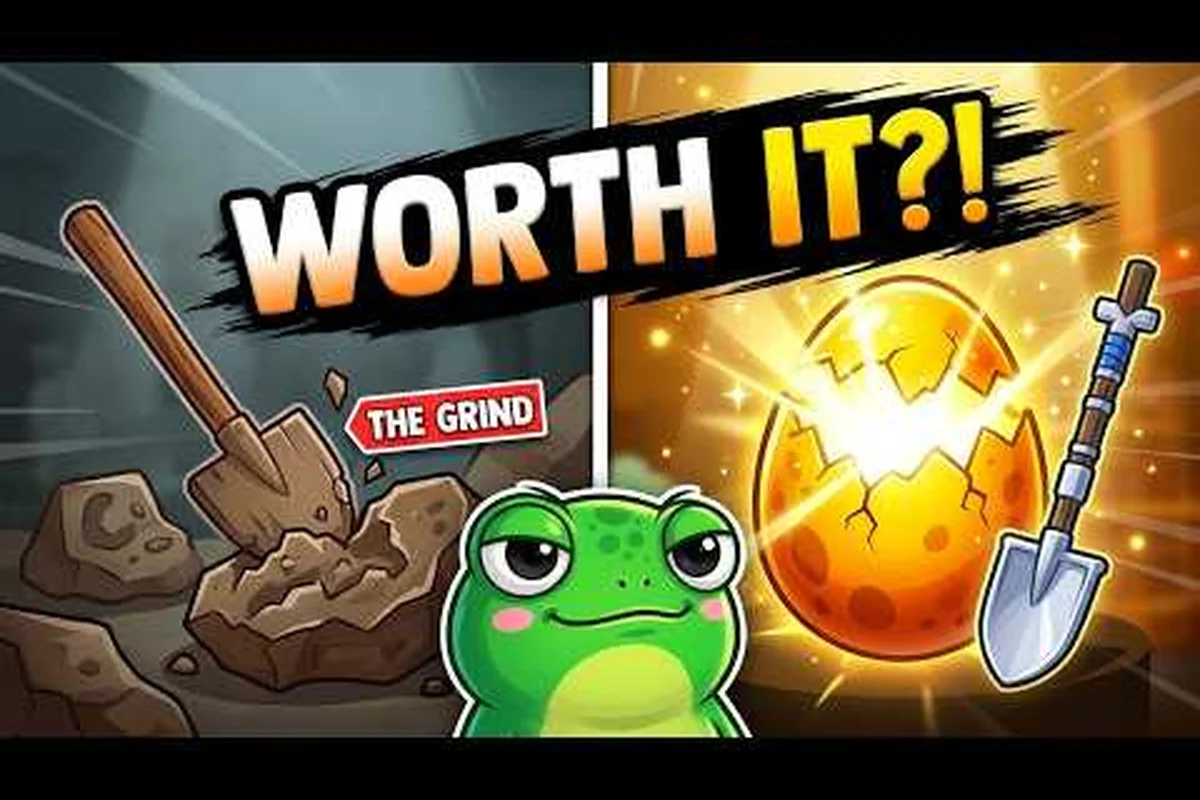
Breeding in Prehistoric Farm is not a passive side activity—it is the core progression loop that turns hours of digging into a living dinosaur collection. The prehistoric farm breeding guide matters because every egg you hatch represents a fossil set you completed, a DNA Lab upgrade you earned, and a creature that will eventually become rideable. Understanding the full pipeline from dig spot to incubator separates players with a handful of common dinos from those running legendary Elders.
How the Fossil-to-Egg Pipeline Works
The breeding system begins long before you ever see an egg. Every dinosaur starts as a fossil buried on one of the wild islands, and your shovel determines which dig spots you can access. When you uncover a fossil, it belongs to a specific dinosaur species, and completing a full set of fossils for that species is what unlocks the egg at Dr. Ivy's DNA Lab. The official game page describes this loop as digging up fossils on wild islands, turning full fossil sets into eggs at the DNA Lab, and hatching them in the incubator.
The dig meter plays a bigger role than most new players realize. The green-zone dig meter rewards timed releases, which means releasing your dig at the right moment yields better fossil quality and occasionally bonus fragments. Community testing suggests that consistently hitting the green zone increases your chance of pulling rarer fossil pieces, although the exact percentage boost remains unconfirmed as of October 2026. Players who rush their digs end up with duplicate common fossils, which slows down set completion dramatically.
| Fossil Rarity | Typical Dig Spots | Set Size | Egg Type Unlocked |
|---|---|---|---|
| Common | Starter island beaches | 3-4 pieces | Common egg |
| Uncommon | Forested island zones | 4-5 pieces | Uncommon egg |
| Rare | Cliffside and cave dig spots | 5-6 pieces | Rare egg |
| Legendary | Sunken Grotto and deep digs | 6-8 pieces | Legendary egg |
The DNA Lab is where fossil sets transform into eggs, but the lab has upgrade tiers that gate which species you can process. Early on, you can only convert common herbivore sets, while legendary sea reptiles require a fully upgraded lab. This upgrade path creates a natural progression curve: you breed common dinos first, sell or raise them for income, then reinvest in lab upgrades to unlock rarer species.
DNA Lab Upgrades and Egg Conversion
Dr. Ivy's DNA Lab is the heart of the prehistoric farm breeding guide, and understanding its upgrade tiers prevents wasted fossils. Each upgrade tier increases the number of egg slots you can process simultaneously and unlocks higher-rarity conversions. The lab does not consume fossils randomly—it requires a complete set, which means missing one fossil piece blocks the entire conversion until you dig up that final fragment.
The conversion process itself is instant once you have a full set, but the lab has a processing queue that limits how many eggs you can produce per session. Early tiers allow one egg at a time, while higher tiers unlock three or more concurrent conversions. This queue matters because incubation times vary by rarity, and you want a steady stream of eggs entering the incubator rather than waiting for one legendary egg to finish before starting another.
| Lab Tier | Unlock Requirement | Concurrent Egg Slots | Species Unlocked |
|---|---|---|---|
| Tier 1 | Default | 1 | Common herbivores |
| Tier 2 | 500 coins + 10 common sets | 2 | Uncommon herbivores |
| Tier 3 | 2,000 coins + 5 uncommon sets | 3 | Rare carnivores |
| Tier 4 | 8,000 coins + 3 rare sets | 4 | Legendary species |
The upgrade costs scale steeply, which is why experienced players recommend completing duplicate common sets early. Those duplicates convert into common eggs that you can hatch and sell for coins, funding the next lab tier without waiting on rare fossil drops. According to community data, the Tier 3 to Tier 4 jump is the biggest bottleneck, requiring either a lucky legendary fossil streak or several hours of focused digging on high-tier islands.
Egg Hatching Mechanics and Incubation Times
Once an egg leaves the DNA Lab, it enters the incubator where a timer starts ticking. The prehistoric farm egg hatching process is not instant, and rarity directly controls how long you wait. Common eggs hatch in minutes, while legendary eggs can take over an hour of real time. This timer runs even when you are offline, which means you can queue multiple eggs before logging off and return to a full nursery.
The incubator has limited slots that expand as you progress, and managing those slots is where efficiency lives. If you fill every slot with legendary eggs, you block yourself from hatching common eggs that could fund your next upgrade. A balanced approach—one legendary egg plus two common or uncommon eggs—keeps your coin flow steady while the big hatch cooks. The hatching guide breaks down exact hatch times per species, but the general rule is that sea reptile eggs take the longest.
| Egg Rarity | Incubation Time | Hatchling Stage | Coin Value at Hatch |
|---|---|---|---|
| Common | 5-10 minutes | Newborn | 50-100 coins |
| Uncommon | 15-25 minutes | Newborn | 150-300 coins |
| Rare | 30-45 minutes | Newborn | 400-800 coins |
| Legendary | 60-90 minutes | Newborn | 1,500+ coins |
The green-zone dig meter also influences egg quality indirectly. Better fossil quality means you complete sets faster, which means more eggs enter the incubator per hour. Players who master the timed release mechanic report completing rare sets in roughly half the time of players who ignore the meter, although this is based on community testing rather than official drop rate data.
How to Get Rare and Legendary Eggs
The prehistoric farm how to get eggs question has a straightforward answer: complete fossil sets, but the path to rare and legendary eggs requires targeting specific dig spots. Rare fossils spawn more frequently on cliffside and cave dig spots, while legendary fossils concentrate in the Sunken Grotto and deep-sea dig zones. The official game page describes slipping into the Sunken Grotto to swipe sea-reptile eggs, which suggests some legendary eggs come from direct theft rather than fossil assembly.
The Sunken Grotto is a high-risk, high-reward zone where you can encounter a Mosasaurus boss guarding egg caches. Defeating or avoiding this boss lets you grab legendary sea reptile eggs directly, bypassing the fossil set requirement entirely. This route is faster for experienced players but requires a fully upgraded boat and diving gear, which means it is not an early-game option. The sea reptile egg guide covers the Grotto mechanics in detail.
| Egg Source | Rarity Range | Risk Level | Best For |
|---|---|---|---|
| Starter island digs | Common only | None | New players |
| Forested island digs | Common to uncommon | Low | Early progression |
| Cliffside digs | Uncommon to rare | Medium | Mid-game set completion |
| Sunken Grotto theft | Rare to legendary | High | Late-game players |
The prehistoric farm rare egg and prehistoric farm legendary egg distinction matters for your breeding strategy. Rare eggs hatch into species with better stats and higher coin values, but legendary eggs produce the dinos you can ride as fully grown partners. Community reports indicate that legendary eggs from the Sunken Grotto have a small chance to drop from the Mosasaurus boss itself, making repeated boss runs a viable legendary egg farm for endgame players.
Raising Hatchlings into Rideable Elders
Breeding does not end at hatching—the real investment is raising your Newborn into an Elder. A dino keeps growing while its belly stays over half full, which means feeding is the primary growth mechanic. Neglect feeding and growth stalls, wasting the incubation time you already spent. The growth stages progress from Newborn through Juvenile, Adult, and finally Elder, with each stage unlocking new abilities and eventually rideability.
The feeding loop ties back to your farm economy. You need crops or fish to keep dinos fed, and higher-rarity species consume more food per growth stage. This creates a resource management layer where breeding too many legendary eggs at once can starve your entire nursery. Experienced players recommend raising one legendary dino at a time while common and uncommon dinos grow passively, because the food cost of multiple legendary hatchlings overwhelms early-game farms.
| Growth Stage | Food Requirement | Time to Next Stage | Unlocks |
|---|---|---|---|
| Newborn | Low, frequent feeds | 10-15 minutes | Basic movement |
| Juvenile | Medium, steady feeds | 20-30 minutes | Faster movement |
| Adult | High, consistent feeds | 30-45 minutes | Stat boosts |
| Elder | Very high, constant feeds | N/A | Rideability |
The rideable partner mechanic is the payoff for the entire breeding pipeline. Fully grown partner dinos let you cross islands faster, access new dig spots, and reach the Sunken Grotto without a boat. This means breeding is not just a collection goal—it is the key to unlocking the rest of the game's content. The dinosaur acquisition guide covers which species make the best partners for different island types.
Frequently Asked Questions
How do I start breeding in Prehistoric Farm?
Begin by digging fossils on the starter island until you complete a common dinosaur set. Take that full set to Dr. Ivy's DNA Lab to convert it into an egg, then place the egg in the incubator. Feed the Newborn regularly to grow it into an Elder.
What is the fastest way to get a legendary egg?
The fastest route is slipping into the Sunken Grotto to swipe sea-reptile eggs directly, bypassing fossil set completion. This requires a fully upgraded boat and diving gear. Alternatively, repeated Mosasaurus boss runs have a small chance to drop legendary eggs.
Do incubation timers run while I am offline?
Yes, incubation timers continue while you are offline. Queue multiple eggs before logging out to return to a full nursery. Legendary eggs take 60-90 minutes, so starting one before a break is efficient.
Why is my dinosaur not growing?
Growth stalls when a dino's belly drops below half full. Feed it regularly to keep growth active. Higher-rarity species consume more food per stage, so avoid raising multiple legendary dinos simultaneously if your farm cannot sustain the food cost.
Can I sell hatched dinosaurs for coins?
Yes, hatched dinosaurs can be sold for coins based on their rarity and growth stage. Common hatchlings sell for 50-100 coins, while legendary hatchlings fetch 1,500 or more. Selling duplicate common dinos is a reliable early-game income source for funding DNA Lab upgrades.